What Actually Happens During a Well-Woman Exam (and Why You Shouldn’t Keep Putting Yours Off)
Not sure what to expect at your annual well-woman exam? Dr. Toni Hodges-Wills at Evolve Gynecology in Las Vegas walks through what’s included and how to prepare.

May is Women’s Health Month, and if reading that just reminded you that it’s been two years since your last gynecology appointment, you’re in good company. Life gets busy. The visit feels fine to skip when nothing is obviously wrong. And if your last experience involved a long wait followed by a rushed exam with a provider you barely know, the motivation to reschedule isn’t exactly there.
But the annual well-woman exam is one of the most valuable things you can do for your health. It’s not just a pap smear. It’s the appointment where patterns get noticed, early concerns get caught, and you have time to bring up the things you’ve been wondering about but haven’t asked anyone.
At Evolve Gynecology in Las Vegas, NV, Dr. Toni Hodges-Wills, DO, FACOG, MSCP approaches the well-woman exam as a real conversation about your health, not a checkbox exercise. Here’s what the visit actually involves, and why it’s worth making time for.
What Is a Well-Woman Exam?
A well-woman exam is a preventive gynecology visit focused on your overall reproductive and gynecologic health. It’s sometimes called an annual GYN exam or a yearly physical with your gynecologist. The purpose is straightforward: evaluate how your body is doing, screen for conditions that may not have symptoms yet, and give you a dedicated space to talk through anything related to your health.
This is the appointment where your gynecologist can catch things you wouldn’t notice on your own: abnormal cells on a pap smear, changes in breast tissue, shifts in your menstrual cycle that could point to something worth investigating. It’s also where you can ask about birth control options, perimenopause symptoms, sexual health concerns, or anything else you’ve been thinking about between visits.
What Happens During the Exam
If you’re not sure what to expect, or it’s been a while, here’s a walkthrough of what a typical well-woman visit looks like at Evolve Gynecology.
Health History Review
Your appointment starts with a conversation. Dr. Hodges will review your medical history, medications, and any changes since your last visit. This is also when she’ll ask about your menstrual cycle, sexual health, contraception, mood, sleep, and anything else relevant to your care. At Evolve, this conversation isn’t rushed; as a concierge gynecology practice, it’s the foundation of the entire visit.
Physical Examination
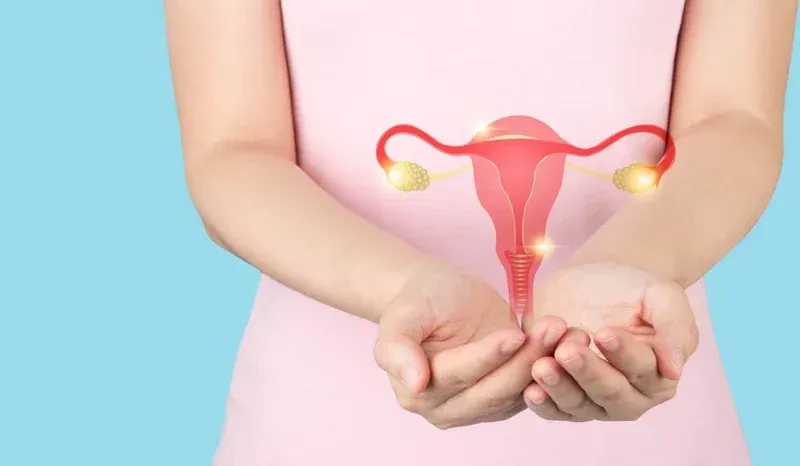
A standard well-woman exam includes a clinical breast exam and a pelvic exam. The breast exam checks for lumps, changes in tissue, or anything that warrants follow-up imaging. The pelvic exam evaluates the vulva, vagina, cervix, uterus, and ovaries for any abnormalities. Your comfort is the priority throughout; Dr. Hodges explains each step before it happens so nothing feels unexpected.
Pap Smear and HPV Screening
A pap smear collects cells from your cervix to screen for cervical cancer and precancerous changes. Current ACOG guidelines recommend a pap every three years for women aged 21 to 29, and a pap with HPV co-testing every five years for women aged 30 to 65. Not every annual visit will include a pap, but the schedule depends on your age, history, and previous results. Dr. Hodges will let you know exactly what’s recommended for you and why.
Additional Screenings and Discussion
Depending on your age, health history, and risk factors, your visit may also include STD screening, a discussion about bone density or cardiovascular risk factors, a review of your contraceptive plan, or an assessment of perimenopause or menopause symptoms. This is also the time to bring up anything that’s been on your mind:
- Changes in your period that concern you
- Pain during intercourse or changes in libido
- Bladder issues like urgency, leaking, or frequent infections
- Skin changes, hair thinning, or unexplained weight shifts
- Questions about hormone therapy or fertility
- Mental health concerns, including anxiety or mood changes tied to your cycle
There is no concern too small to mention. Part of the reason this exam exists is to give you a structured opportunity to ask.
Who Needs a Well-Woman Exam and How Often?
The American College of Obstetricians and Gynecologists (ACOG) recommends an annual well-woman visit for women of all ages, including adolescents. Even in years when a pap smear isn’t due, the exam itself is still valuable for breast evaluation, pelvic assessment, and the clinical conversation that ties it all together. For adolescent patients, pelvic and breast exams are not performed unless there are specific concerns and an exam is requested.
This applies whether you’re 25 and on birth control, 40 and noticing cycle changes, or 55 and managing menopause. The exam adapts to where you are in life, and so does the conversation.
How to Prepare for Your Visit
Preparing doesn’t require much, but a little thought beforehand makes the visit more productive:
- Track your last few menstrual cycles if you can, including start dates, duration, and flow.
- Write down any symptoms or questions you want to discuss. It’s easy to forget things in the moment.
- Bring a list of your current medications and supplements.
- Know your family health history, especially anything related to breast cancer, ovarian cancer, or blood clotting disorders.
- If this is your first visit with a new provider, request that your records be sent ahead of time.
- You don’t need to shave, wax, or otherwise “prepare” your body for the exam. Your gynecologist does not care, and your comfort is what matters.
What Makes the Well-Woman Exam Different at a Concierge Practice?
In a traditional insurance-based office, the well-woman exam is often limited by time. You may get 10 to 15 minutes with your provider, which barely covers the physical exam, let alone a real conversation about how you’re doing. Important topics get deferred. Questions go unasked. You leave feeling like you were processed rather than cared for.
At Evolve Gynecology, concierge membership means appointments are 30 minutes. That changes the entire experience. Dr. Hodges has time to review your full history, perform a thorough exam, and actually listen. If something comes up during the visit that needs further evaluation, there’s space to address it then and there rather than scheduling a separate follow-up weeks later.
Concierge members also benefit from priority scheduling, minimal wait times, and direct access to Dr. Hodges via text and patient portal. If a question comes up after your exam or you get lab results you want to discuss, you have a direct line to your provider.
Schedule Your Well-Woman Exam in Las Vegas
If it’s been a while since your last exam, or you’ve been meaning to find a gynecologist who actually takes the time, this is a good place to start. Evolve Gynecology is located at 851 S. Rampart Blvd., Suite 260, Las Vegas, NV 89145, serving patients across Summerlin, Sun City, Spring Valley, Paradise, Henderson, and the greater Las Vegas Valley.
Evolve is now accepting concierge gynecology members. To explore membership options or book your visit, go to www.evolvegynecology.com/concierge-gynecology or call 702-813-7200.
Your annual exam is the one appointment that’s entirely about you. Don’t let another year go by without it.
Evolve Gynecology | 851 S. Rampart Blvd. #260, Las Vegas, NV 89145 | 702-813-7200 | www.evolvegynecology.com