Hot Flashes in the Desert: Managing Menopause Symptoms During a Las Vegas Summer
Hot Flashes in the Desert: Managing Menopause Symptoms During a Las Vegas Summer
If you live in Las Vegas and you’re dealing with hot flashes, you already know what the rest of the country doesn’t fully appreciate: there is no escaping the heat. When it’s 115°F outside and your body decides to generate its own internal heat wave on top of that, the experience goes from uncomfortable to genuinely unbearable.
Hot flashes are the most commonly reported symptom of menopause and perimenopause, affecting roughly 60% of women during the transition. Research shows that July is the peak month for hot flash severity, with women experiencing significantly more frequent and intense episodes compared to cooler months. For women in the Las Vegas Valley, where summer stretches from May through October, that’s a long season to white-knuckle through without a plan.
At Evolve Gynecology, Dr. Toni Hodges-Wills, DO, FACOG is a Menopause Society Certified Practitioner (MSCP) who works with women to develop real, evidence-based strategies for managing menopause symptoms, not just surviving them.
Why Hot Flashes Feel Worse in Las Vegas
Hot flashes happen when hormonal changes narrow your body’s thermoneutral zone, the temperature range where your body feels comfortable without needing to cool itself down. When estrogen levels drop, that zone shrinks. Small increases in core body temperature that your body once ignored now trigger a full vasomotor response: sudden flushing, sweating, rapid heart rate, and a wave of heat that can last anywhere from 30 seconds to several minutes.
In a temperate climate, you can step outside to cool down. In Las Vegas in July, stepping outside makes it worse. The ambient heat raises your baseline body temperature before a hot flash even starts, which means the threshold for triggering one is lower. Add dehydration from the dry desert air, and the cycle intensifies.
Night sweats follow the same pattern. When your bedroom is harder to keep cool and the outdoor temperature doesn’t drop below 90°F until well after midnight, sleep disruption compounds. And poor sleep makes every other menopause symptom, from mood changes to brain fog to fatigue, harder to manage.
Evidence-Based Strategies That Actually Help
There’s a wide gap between generic advice (“dress in layers”) and strategies that meaningfully reduce hot flash frequency and severity. Here’s what the evidence supports, with specific considerations for living in the desert.
Menopause Hormone Therapy
Menopause hormone therapy (formerly called hormone replacement therapy, or HRT) remains the most effective treatment for vasomotor symptoms. Estrogen therapy, with or without progesterone depending on whether you still have a uterus, can reduce hot flash frequency by 75% or more in many women. For women in perimenopause or early menopause without contraindications, the benefits typically outweigh the risks.
Dr. Hodges evaluates each patient individually. Menopause hormone therapy is not one-size-fits-all; the formulation, dose, and delivery method (oral, transdermal patch, topical gel) are tailored to your symptoms, health history, and risk profile. This is the kind of nuanced conversation that takes more than 10 minutes, which is one reason concierge gynecology makes a difference for women navigating this decision.
Non-Hormonal Prescription Options
For women who can’t or prefer not to use menopause hormone therapy, FDA-approved non-hormonal options are now available. Fezolinetant, approved in 2023, specifically targets the brain pathway involved in temperature regulation and has shown significant reductions in hot flash frequency and severity in clinical trials. Older options like low-dose SSRIs, SNRIs, and gabapentin also remain effective for many women.
Environmental and Lifestyle Adjustments
These won’t replace medical treatment for moderate to severe symptoms, but they can reduce the daily burden:
Keep your indoor environment consistently cool. In Las Vegas, this means blackout curtains, ceiling fans in addition to AC, and keeping bedroom temperatures below 68°F at night.
- Stay aggressively hydrated. Desert air is dry year-round and even drier in summer. Dehydration lowers the threshold for hot flash triggers.
- Identify your personal triggers. Alcohol, caffeine, spicy food, and hot beverages are common ones, but triggers vary by individual.
- Exercise regularly, but time workouts for early morning or indoor settings. Consistent physical activity is associated with better overall symptom management, though exercising in extreme heat can temporarily increase hot flash frequency.
- Wear natural, breathable fabrics. Cotton and linen handle moisture better than synthetics.
Managing Night Sweats in the Desert
Night sweats deserve their own attention because the sleep disruption they cause creates a cascade that affects mood, cognition, weight, and overall quality of life. Beyond keeping the bedroom cool, consider moisture-wicking bedding, a separate temperature-controlled sleep space if you share a bed with a partner who runs warm, and a consistent sleep-wake schedule. If night sweats are frequent and severe, that’s a strong signal to discuss medical treatment options with your gynecologist.
When to See a Menopause Specialist
Not every woman with hot flashes needs medical intervention. But you should consider making an appointment if:
- Hot flashes are disrupting your work, sleep, or daily functioning
- You’re waking up multiple times per night due to sweating
- You’re avoiding social situations or outdoor activities because of symptoms
- Over-the-counter remedies and lifestyle changes aren’t making a meaningful difference
- You have questions about whether menopause hormone therapy is right for you
A provider with the MSCP credential has demonstrated specific competency in menopause medicine. This matters because, as we discussed in our perimenopause post, most OB/GYN residents receive fewer than five hours of menopause-focused training. The provider you choose determines the quality of care you receive.
Beyond Hot Flashes: The Bigger Picture
Hot flashes tend to be the symptom that gets the most attention, but menopause affects the whole body. Changes in vaginal and vulvar tissue can lead to dryness, discomfort during intercourse, and urinary symptoms. Bone density begins declining after menopause. Cardiovascular risk factors shift. Sexual health concerns that women feel uncomfortable bringing up often go unaddressed for years.
A comprehensive approach to menopause care addresses all of this, not just the most visible symptoms. At Evolve Gynecology, the concierge model gives Dr. Hodges the time to evaluate the full picture and build a care plan that evolves with you.
Menopause Care at Evolve Gynecology in Las Vegas
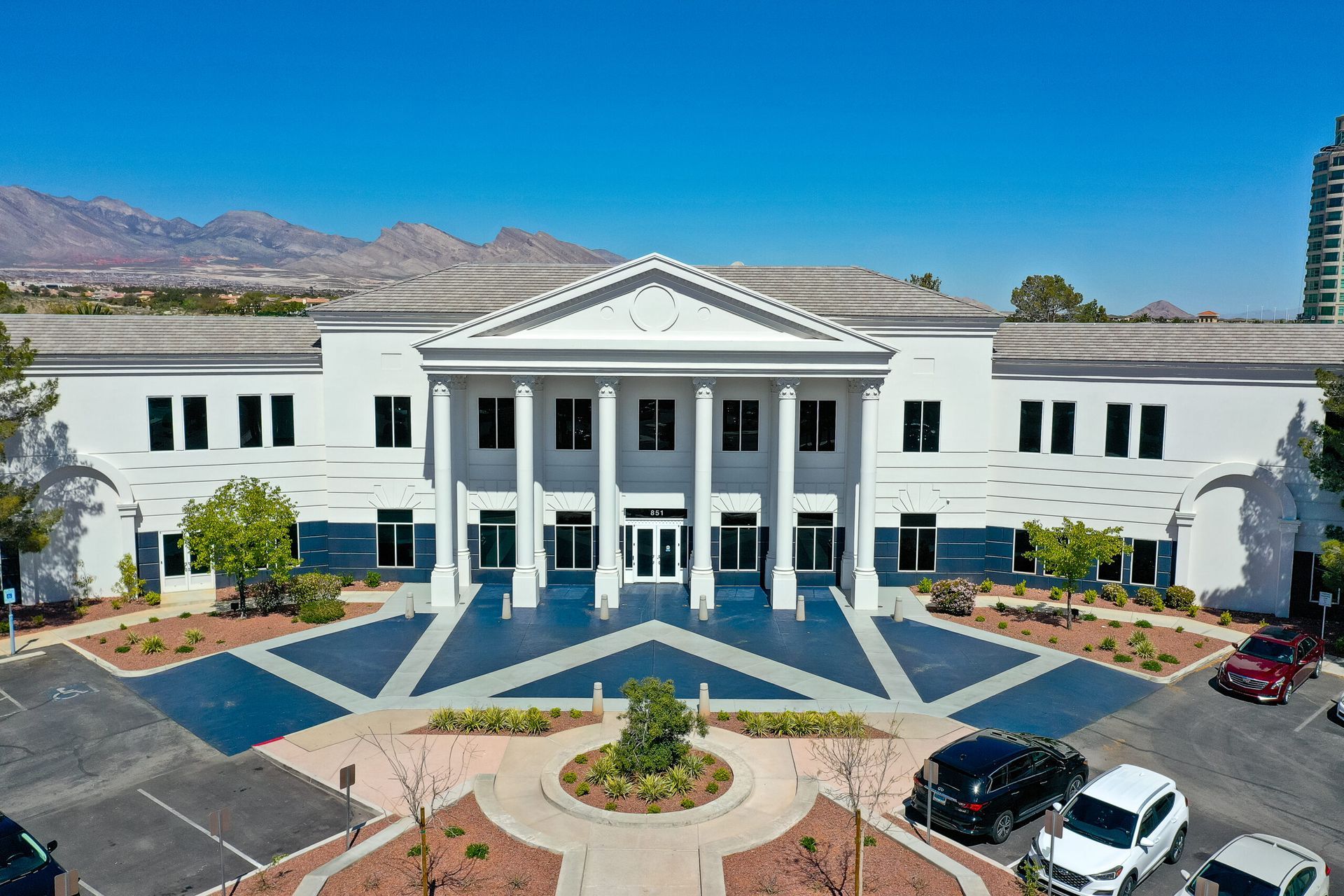
Evolve Gynecology is located at 851 S. Rampart Blvd., Suite 260, Las Vegas, NV 89145, serving women across Summerlin, Sun City, Spring Valley, Paradise, Henderson, and the greater Las Vegas Valley.
To explore membership options or schedule your visit, go to www.evolvegynecology.com or call 702-813-7200. You don’t have to spend another summer counting down the minutes between hot flashes.
Evolve Gynecology | 851 S. Rampart Blvd. #260, Las Vegas, NV 89145 | 702-813-7200 | www.evolvegynecology.com