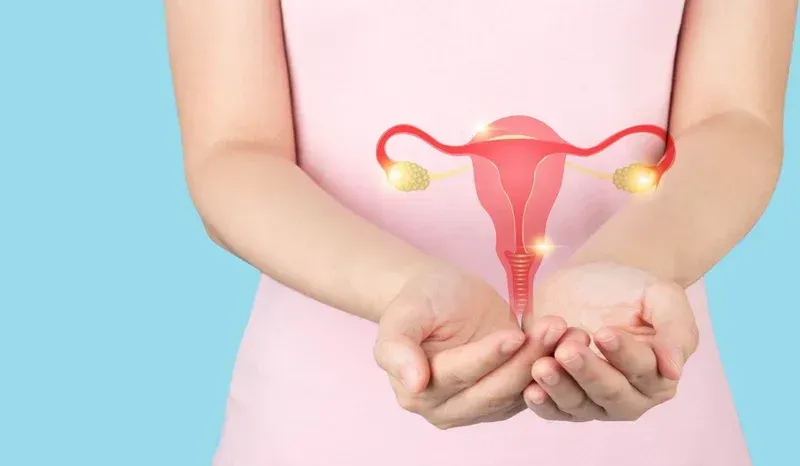
Dr. Toni Hodges-Wills Attends the ISSWSH Fall Course: Current Women's Sexual Health Care in Las Vegas

Toni Hodges-Wills • October 29, 2026

This is a subtitle for your new post

Dr. Toni Hodges-Wills will attend the ISSWSH Fall Course from Thursday, November 12, through Sunday, November 15, 2026, at the We-Ko-Pa Casino Resort in Fort McDowell, Arizona. Over four days, she will study the latest research and treatment approaches in women's sexual health alongside specialists from across the country, then bring that knowledge home to her patients at Evolve Gynecology in Las Vegas.


What the ISSWSH Fall Course Is

ISSWSH stands for the International Society for the Study of Women's Sexual Health, a scientific society dedicated to research and education in women's sexual health. Its members come from many disciplines: gynecology, urology, pelvic floor physical therapy, psychology, and research. The society is also one of the two organizations behind The Journal of Sexual Medicine, a peer-reviewed journal in the field.

The Fall Course is the society's annual teaching course for practicing clinicians. Its purpose is practical: to give providers an evidence-based foundation for evaluating and treating sexual health concerns in women, and to show them how to bring that care into their own practices. Sessions cover how to take a complete medical, sexual, and psychological history, how to evaluate common concerns, and which treatments the evidence supports.


Why Attending Matters

Women's sexual health is a field that moves quickly. New studies, updated professional guidance, and new treatment options appear every year, and much of that work reaches practicing physicians first through courses like this one. Attending in person gives Dr. Hodges three advantages that reading alone cannot match.


Direct access to the people doing the research. The course faculty includes researchers and clinicians who lead the field. Dr. Hodges will hear new findings explained by the people who produced them and ask how they apply to real patients.


A view across specialties. A single concern, such as low desire or discomfort with intimacy, can have hormonal, physical, medical, and emotional causes. Learning alongside urologists, physical therapists, and psychologists sharpens how a gynecologist evaluates the whole picture and knows when a referral will help.


Time to compare notes. Specialists trade what is working in their practices, what has changed in their thinking, and what they now do differently. That kind of exchange refines clinical judgment in ways a textbook cannot.


This commitment fits Dr. Hodges' training. She is a Doctor of Osteopathic Medicine (DO), a Fellow of the American College of Obstetricians and Gynecologists (FACOG), and a Menopause Society Certified Practitioner (MSCP), a credential that requires dedicated study and examination in menopause care. Learn more about her background on our page about Dr. Hodges and the Evolve team.


What Dr. Hodges Brings Back to Her Patients

The value of a course like this shows up in the exam room. When Dr. Hodges returns, patients benefit in concrete ways.


Newer research, applied sooner. Findings presented at the course can shape her recommendations right away, so patients receive guidance that reflects the current evidence.


A wider set of treatment options. Sexual health concerns often have more than one effective approach. A broader, up-to-date understanding of those options means more room to match treatment to each patient's health history, preferences, and goals.


Sharper evaluation. Refined history-taking and evaluation skills help identify the cause of a concern more precisely, which leads to treatment that fits.


Stronger menopause care. Changes in desire and comfort often begin during perimenopause and menopause. Genitourinary syndrome of menopause (GSM), the dryness, irritation, and urinary symptoms that follow the drop in estrogen, is common and treatable. Current knowledge in sexual health strengthens the menopause care Dr. Hodges already provides as a certified menopause practitioner.


Confidence in the conversation. Many women hesitate to raise sexual health concerns. A physician who studies this area closely can discuss them clearly and without judgment, which makes it easier for patients to ask for help.


Sexual Health Is Part of Your Gynecologic Care

Sexual health is part of overall health, and it changes across a lifetime with hormonal transitions, childbirth, medications, stress, and medical conditions. Concerns patients commonly bring to Dr. Hodges include:


  • Low sexual desire that causes distress, which clinicians call hypoactive sexual desire disorder (HSDD), a recognized and treatable condition


  • Changes during perimenopause and menopause, including GSM


  • Changes after childbirth or during breastfeeding


  • Side effects from medications such as some antidepressants and blood pressure medications


At Evolve, these conversations are a routine part of care. Concierge visits are long enough to cover every question, and since you see the same doctor each time, your history is already known. Between visits, you're just a text away. Explore how sexual health fits into the full range of gynecologic services at Evolve in Las Vegas.


What to Expect When You Raise a Sexual Health Concern

Bringing up sexual health can at times feel awkward, so it helps to know how the conversation works at Evolve.


It starts with listening. Dr. Hodges asks about your symptoms, when they began, and how they affect your life and relationships. She also reviews your medical history, current medications, and any recent life changes, since each can play a role.


An exam happens only when it helps. Some concerns call for a physical exam or lab work to rule out an underlying medical cause. Others are best understood through conversation alone. Dr. Hodges explains the reason for any exam or test before it happens.


You leave with a plan. Dr. Hodges walks you through the options that fit your situation, including the benefits and tradeoffs of each. Treatment may involve a prescription, a change to a current medication, a referral to a pelvic floor physical therapist or sex therapist, or a combination.


Follow-up is built in. Sexual health concerns often improve in steps. Because you see the same doctor at every visit, adjustments happen quickly, and each conversation picks up where the last one ended.


Schedule a Visit with Dr. Hodges

If something about your sexual health has been on your mind, your next appointment is the right time to raise it. Dr. Hodges will return from Fort McDowell with the latest evidence in hand, ready to put it to work for you. Request an appointment at Evolve Gynecology or call our office at (702) 813-7200.

By Toni Hodges-Wills • October 6, 2026
Something feels off, but you can’t quite name it. Your period showed up a week early. Or a week late. You’re waking up at 3 a.m. drenched in sweat. Your mood shifts feel bigger than they used to. You’re 38, or 42, or 46, and you’re quietly Googling: am I in perimenopause? You probably are. And you’re not alone. Most women experience perimenopause symptoms for years before their periods actually stop, often starting in their late 30s or early 40s. The problem is that many women don’t recognize what’s happening, because perimenopause doesn’t always look the way you’d expect. At Evolve Gynecology in Las Vegas, NV, Dr. Toni Hodges-Wills, DO, FACOG, MSCP is a board-certified gynecologist and Menopause Society Certified Practitioner who helps women navigate this transition with clarity, evidence-based guidance, and the kind of time that a concierge practice actually allows. What Is Perimenopause, Exactly? Perimenopause is the transition period leading up to menopause. Menopause itself is defined as 12 consecutive months without a menstrual period; perimenopause is everything that happens before that line is crossed. During this phase, your ovaries gradually produce less estrogen and progesterone, and those hormonal fluctuations are what drive the symptoms you’re feeling. The transition can last anywhere from a few years to more than a decade. Most women reach menopause around age 52, but perimenopause commonly begins in the early to mid-40s . For some women, subtle changes start in their late 30s. This is one of the most misunderstood phases in women’s health. Because the symptoms overlap with stress, sleep disorders, thyroid problems, and other conditions, perimenopause often goes unrecognized or gets dismissed. A gynecologist with specific training in menopause care can make the difference between years of confusion and a clear path forward. Early Signs of Perimenopause Perimenopause doesn’t announce itself with a single, unmistakable symptom. It tends to arrive gradually, and many women spend months or years attributing what they’re experiencing to stress, aging, or simply “not sleeping well.” Here are the symptoms that bring women into our office most often: Changes to Your Menstrual Cycle This is usually the first sign. Your cycles may become shorter, longer, heavier, lighter, or simply less predictable than they used to be. You might skip a month entirely and then have two periods close together. Irregular bleeding is common, though any significant changes in menstrual bleeding should be discussed with your gynecologist to rule out other causes. Hot Flashes and Night Sweats Vasomotor symptoms, the clinical term for hot flashes and night sweats , affect roughly 60% of women around the menopause transition. They can start well before your periods stop. Night sweats in particular tend to disrupt sleep, which then cascades into daytime fatigue, difficulty concentrating, and mood changes. In Las Vegas, where summer temperatures regularly exceed 110°F, these symptoms can feel especially intense. Sleep Disruption Waking up in the middle of the night and struggling to fall back asleep is one of the most common complaints we hear. Sometimes it’s triggered by night sweats; sometimes it happens on its own. Hormonal shifts affect the brain’s sleep regulation, and the resulting fatigue compounds nearly every other symptom. Mood Changes and Brain Fog Irritability, anxiety, low mood, difficulty focusing, forgetting words mid-sentence: these are real, physiological effects of fluctuating estrogen levels. They are not a character flaw, and they are not “just stress.” Many women tell us they feel relieved simply hearing that their experience has a biological explanation. Other Common Symptoms Perimenopause can also involve: Vaginal dryness or discomfort during intercourse Decreased libido Joint stiffness or increased aches Changes in skin and hair texture Weight changes, particularly around the midsection Urinary urgency or increased frequency Headaches or migraines that worsen around your cycle Not every woman will experience all of these, and severity varies widely. That’s one reason a personalized evaluation matters more than a checklist. When Should You Talk to Your Gynecologist About Perimenopause? The short answer: whenever you have questions. There is no minimum symptom threshold you need to meet before the conversation is worth having. Your annual well-woman exam is also a natural time to bring this up. That said, certain situations warrant a visit sooner rather than later: Your periods have become significantly heavier, more painful, or much more irregular Hot flashes or night sweats are disrupting your sleep or daily life You’re experiencing mood changes that feel out of proportion or hard to manage You’re under 40 and noticing symptoms that suggest hormonal changes You want to understand your options for managing symptoms, including menopause hormone therapy You’re unsure whether what you’re experiencing is perimenopause or something else A gynecologist trained in menopause care can evaluate your symptoms in context, order labs if clinically indicated, and help you build a plan. Perimenopause is not a diagnosis that requires a specific test; it’s a clinical assessment based on your symptoms, age, and medical history. Why Your Choice of Provider Matters Here’s something that surprises most women: menopause education is not a significant part of standard OB/GYN residency training. A 2023 survey found that the average medical resident receives fewer than five hours of menopause-specific instruction across their entire training. That means the provider you choose matters more than you might think. Dr. Hodges holds the Menopause Society Certified Practitioner (MSCP) credential, which requires demonstrated competency in menopause medicine, including evidence-based menopause hormone therapy, non-hormonal management options, and long-term health considerations for women in midlife. This credential matters because it means your care is guided by current research, not outdated assumptions about what women should “just live with.” At Evolve Gynecology, perimenopause conversations aren’t squeezed into a 10-minute insurance visit. As a concierge gynecology practice , appointments are 30 to 60 minutes long, giving you the time to discuss your symptoms thoroughly, ask questions, and make decisions together with your provider. That’s the kind of care this phase of life deserves. What Can Be Done About Perimenopause Symptoms? A lot, actually. The idea that women need to simply endure perimenopause is outdated and, frankly, wrong. Treatment options depend on your specific symptoms, health history, and preferences. At Evolve Gynecology, Dr. Hodges works with each patient to develop a plan that may include: Menopause hormone therapy (formerly called hormone replacement therapy, or HRT): FDA-approved options to address hot flashes, night sweats, vaginal dryness, and other estrogen-related symptoms. For most women in perimenopause and early menopause, the benefits outweigh the risks. Non-hormonal medications: For women who cannot or prefer not to use hormones, there are effective prescription alternatives for managing vasomotor symptoms, mood changes, and sleep disruption. Lifestyle modifications: Targeted guidance on nutrition, exercise, sleep hygiene, and stress management that can meaningfully reduce symptom severity. Ongoing monitoring: Regular follow-up to assess how your body is responding, adjust treatment as needed, and address new symptoms as they arise. The goal is not to eliminate every symptom; it’s to help you feel like yourself again and make informed decisions about your health during a time when your body is changing. Perimenopause Care at Evolve Gynecology in Las Vegas Evolve Gynecology is located at 851 S. Rampart Blvd., Suite 260, Las Vegas, NV 89145 , serving women throughout the Las Vegas Valley, including Summerlin, Sun City, Spring Valley, Paradise, Henderson, and surrounding communities. The practice offers concierge gynecology memberships with longer visits, priority scheduling, and direct access to Dr. Hodges. If you’re wondering whether what you’re experiencing is perimenopause, you don’t have to figure it out alone. A single conversation with a provider who understands this transition can change how you feel about what’s happening in your body. To learn more about membership options or to schedule a visit , go to https://www.evolvegynecology.com/concierge , or call 702-813-7200 . Evolve Gynecology | 851 S. Rampart Blvd. #260, Las Vegas, NV 89145 | 702-813-7200 | www.evolvegynecology.com
Evolve Gynecology in Las Vegas, NV: a physician consultation for ovarian cancer risk-reduction
By Toni Hodges-Wills • September 1, 2026
Ovarian cancer symptoms are easy to miss, and there's no routine screening test. Learn how opportunistic salpingectomy lowers risk. Evolve GYN, Las Vegas.
Mother and Daughter reading something on a laptop
By Toni Hodges-Wills • August 2, 2026
Wondering when your teen should first see a gynecologist? Dr. Toni Hodges-Wills at Evolve Gynecology in Las Vegas explains what to expect and how to prepare.
Woman struggling with hot flashes
By Toni Hodges-Wills • July 2, 2026
Hot flashes feel worse in Las Vegas summers. Dr. Toni Hodges-Wills, a certified menopause specialist, shares evidence-based strategies for managing symptoms
Woman holding uterus picture
By Toni Hodges-Wills • June 9, 2026
PCOS is now called PMOS. Learn what this landmark name change means for diagnosis, treatment, and your hormonal health — from Evolve GYN in Las Vegas, NV.
Evolve Gyn office from the outside
May 19, 2026
Discover concierge gynecology at Evolve Gynecology in Las Vegas, NV. Serving Summerlin & Spring Valley
Gynecologist in Las Vegas discussing well-woman exam with patient at Evolve Gynecology
May 17, 2026
Not sure what to expect at your annual well-woman exam? Dr. Toni Hodges-Wills in Las Vegas walks through what’s included and how to prepare.